
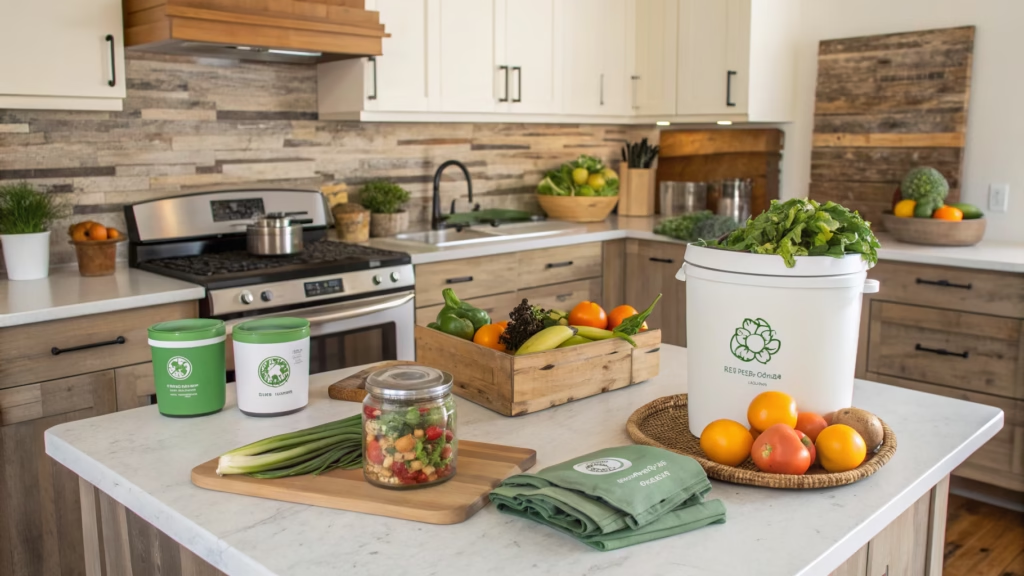
11+ Eco-Friendly Kitchen Changes That Make a Big Impact
Making your kitchen more eco-friendly does not mean changing everything at once or living perfectly sustainably.
Small, thoughtful changes add up quickly and can make a real difference over time. The best part is that many of these updates also make your kitchen easier to use, healthier, and more enjoyable day to day.
Here are eco-friendly kitchen changes that create a big impact without feeling overwhelming.
1. Switch to Reusable Cloth Towels

Replacing paper towels with washable cloth towels cuts down daily waste instantly.


Love Knots & Nooks?
Add Knots & Nooks as a preferred source on Google and discover more beautiful home decor ideas, creative crafts, easy DIY projects, and everyday inspiration whenever you search.
Works well with
- Cotton or linen towels
- A small basket near the sink
2. Use Glass or Steel Food Storage Instead of Plastic

Reusable containers last longer and reduce exposure to single use plastics.
Great for
- Leftovers
- Pantry storage
- Meal prep
3. Add a Simple Compost System

Composting food scraps keeps waste out of landfills and supports a more circular routine.


Easy compost options
- Countertop compost bin
- Under sink compost container
4. Choose Energy Efficient Appliances When Replacing Old Ones

When it is time to upgrade, energy efficient appliances reduce long term energy use.
Focus on
- Refrigerators
- Dishwashers
- Ovens
5. Use Refillable Soap and Cleaning Bottles

Refill systems reduce plastic waste and keep counters looking calmer.


Try using
- Glass pump bottles
- Refill pouches
6. Replace Single Use Items With Reusable Alternatives

Small swaps add up faster than you expect.
Good replacements
- Silicone food covers
- Beeswax wraps
- Reusable produce bags
7. Bring in Natural Cleaning Products

Eco friendly cleaners reduce chemical exposure and are gentler on surfaces.


Look for
- Plant based formulas
- Low fragrance options
8. Add Water Saving Faucet Attachments

Simple attachments reduce water usage without affecting daily tasks.
Helpful for
- Washing dishes
- Rinsing produce
9. Use LED Lighting Throughout the Kitchen

LED lights use less energy and last longer than traditional bulbs.


Best places
- Overhead lighting
- Under cabinet lights
10. Store Food to Reduce Waste

Proper storage keeps food fresh longer and prevents unnecessary disposal.
Helpful habits
- Clear containers
- Rotating older items forward
11. Choose Durable, Long Lasting Kitchen Tools

Buying fewer, better quality items reduces waste over time.


Focus on
- Stainless steel utensils
- Wooden tools
- Cast iron cookware
12. Grow Simple Herbs at Home

Even a small herb setup reduces packaging waste and adds freshness to cooking.
Easy herbs to start with
- Basil
- Mint
- Coriander
Final Thoughts
Eco friendly kitchens are built through everyday choices, not perfection.


By swapping disposables for reusables, reducing waste, and choosing energy conscious options, you create a kitchen that is kinder to the environment and easier to live in.
These changes may seem small on their own, but together they make a meaningful difference over time.
FAQs
1. Do eco-friendly kitchen changes cost more?
Some swaps have an upfront cost, but most save money long term by reducing waste.
2. What is the easiest eco-friendly change to start with?
Switching to reusable towels and containers is the easiest first step.
3. Can renters make eco-friendly kitchen changes?
Yes. Most changes are temporary and renter friendly.
4. Is composting possible in small homes?
Yes. Compact compost bins work well even in apartments.
5. How do I reduce plastic use in the kitchen?
Replace single use plastics with glass, steel, or silicone alternatives.
6. Do small changes really make a difference?
Absolutely. Consistent small habits create a big collective impact.

- 13+ Amazing Spring Craft Ideas You Can Do with Friends - February 23, 2026
- 18+ Colorful Spring Crafts That Feel Happy and Fresh - February 23, 2026
- 14+ Spring Craft Ideas for Small Spaces - February 23, 2026


