
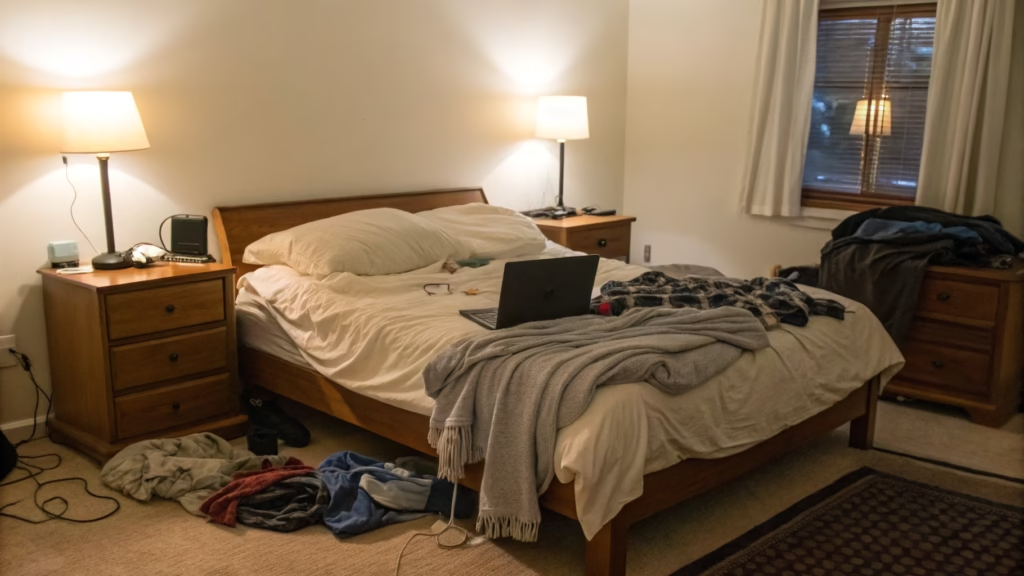
12+ Bedroom Mistakes That Hurt Your Sleep Quality
Your bedroom should support deep, restorative sleep but a few common design and lifestyle mistakes can quietly disrupt your rest night after night.
From lighting choices to clutter problems, these small issues can have a big impact on how well you sleep.
Here are the mistakes to avoid and what to do instead for a calmer, sleep-friendly bedroom.
1. Using Harsh, Bright Lighting at Night

Bright white lighting tells your brain it’s still daytime. This makes it harder to wind down.


Love Knots & Nooks?
Add Knots & Nooks as a preferred source on Google and discover more beautiful home decor ideas, creative crafts, easy DIY projects, and everyday inspiration whenever you search.
Switch to:
- Warm-toned bedside lamps
- Dimmable bulbs
- Soft-glow floor lamps
2. Keeping Too Many Devices in the Bedroom

Phones, tablets, TVs, and laptops emit blue light that interferes with melatonin production.
Try reducing:
- TV time before bed
- Charging electronics in the room
- Screen exposure at least 1 hour before sleep
3. Sleeping With Clutter Around You

Visual clutter leads to mental clutter. A messy room can keep your mind alert instead of relaxed.


Reduce clutter by:
- Tidying surfaces
- Storing unused items
- Using baskets for quick cleanup
4. Using Old or Flat Pillows

Worn-out pillows cause neck strain and make it harder to get comfortable.
Improve comfort with:
- New supportive pillows
- Memory foam or down-alternative options
- Fluffing pillows weekly
5. Having a Mattress That’s Too Old or Too Firm

An uncomfortable mattress leads to frequent tossing and turning.


Improve sleep by:
- Using a mattress topper
- Rotating your mattress
- Replacing mattresses older than 8–10 years
6. Choosing Colours That Are Too Bold or Stimulating

Bright, saturated colours keep your brain alert. They energize instead of calm.
Try calming colours like:
- Sage
- Soft beige
- Light grey
- Pastel blue
7. Letting Too Much Light Into the Room

Even small amounts of light can disrupt sleep cycles.


Improve darkness with:
- Blackout curtains
- Light-filtering blinds
- Blocking streetlight gaps
8. Ignoring Temperature Control

A room that’s too warm makes it harder to fall and stay asleep.
Ideal bedroom conditions:
- 18–21°C (65–70°F)
- Breathable bedding
- Lightweight blankets
9. Using Synthetic Bedding That Traps Heat

Synthetic fabrics cause overheating and discomfort through the night.


Better alternatives:
- Cotton
- Linen
- Bamboo blends
10. Placing the Bed Near Noise Sources

Noise disrupts sleep even when you don’t fully wake up.
Reduce disturbance by:
- Moving the bed away from doors/windows
- Adding rugs to absorb sound
- Using white noise machines
11. Having Poor Air Quality

Stuffy, stale air makes sleep feel heavy and restless.


Improve freshness with:
- Opening windows earlier in the day
- Adding easy-care plants
- Using an air purifier if needed
12. Skipping a Nighttime Routine

Going straight from chaos to bed makes it hard to switch off mentally.
Build a simple routine:
- Warm lighting
- Light reading
- Calming scents
- Slow breathing or stretching
13. Overstyling the Bed With Too Many Layers

Too many pillows or heavy layers can make the bed feel overwhelming instead of restful.


Keep it simple with:
- 2–4 pillows
- A light blanket + one throw
- Clean, breathable bedding
Final Thoughts
Your bedroom can be a powerful tool for better sleep, if it’s designed with rest in mind.
By reducing clutter, softening lighting, choosing calming colours, and improving comfort, you can transform your space into a sleep-friendly sanctuary.
Small changes make a big difference, and most of them take only a few minutes to implement.
FAQs
1. What’s the biggest sleep mistake people make in their bedrooms?
Using harsh, bright lighting at night. Warm, dim lighting helps your brain relax and prepare for sleep.
2. What colours help me sleep better?
Soft neutrals like beige, grey, sage, and muted blues create a calming atmosphere ideal for rest.
3. How often should I replace my mattress?
Typically every 8–10 years, depending on quality and how well it has been maintained.
4. Should I keep my phone out of the bedroom?
Ideally, yes. If not, switch to night mode and keep it across the room to reduce blue light and temptation.
5. What temperature is best for sleeping?
Around 18–21°C (65–70°F) helps your body cool down naturally and sleep more deeply.
6. Is clutter really bad for sleep?
Yes, clutter overstimulates your mind and prevents you from fully unwinding at night. A tidy room promotes calm.

- 13+ Amazing Spring Craft Ideas You Can Do with Friends - February 23, 2026
- 18+ Colorful Spring Crafts That Feel Happy and Fresh - February 23, 2026
- 14+ Spring Craft Ideas for Small Spaces - February 23, 2026


