
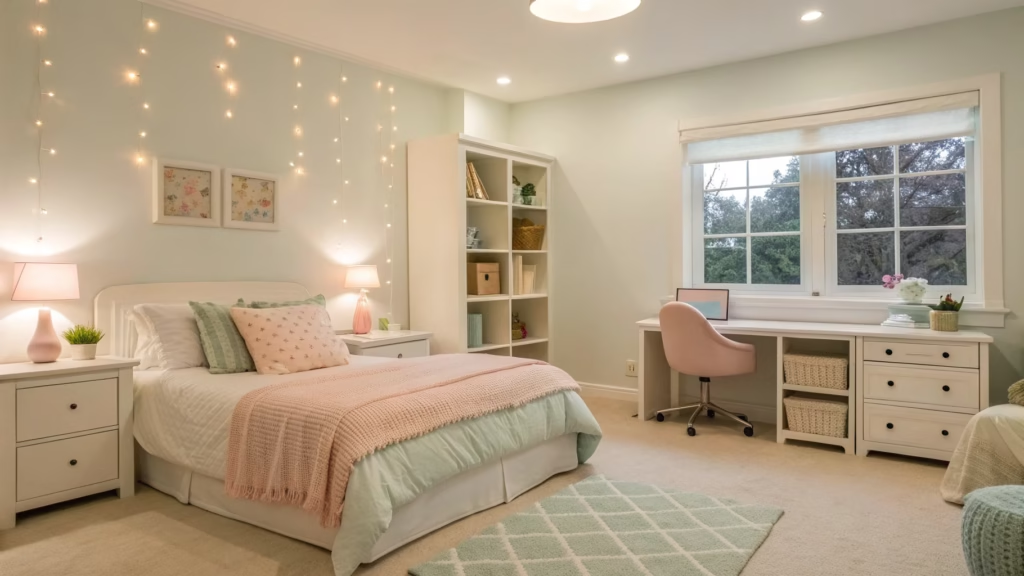
16+ Calm Kids Room Ideas for Better Sleep and Focus
A calm kids room supports both better sleep and better concentration during the day.
The right design choices reduce visual noise, soften lighting, and create clear zones for rest and activity. Instead of overstimulating colors and crowded decor, calm rooms rely on gentle palettes, simple layouts, and cozy textures.
Here are calm kids room ideas for better sleep and focus that are practical and easy to apply.
1. Use a Soft Neutral Wall Palette

Walls set the emotional tone.


Love Knots & Nooks?
Add Knots & Nooks as a preferred source on Google and discover more beautiful home decor ideas, creative crafts, easy DIY projects, and everyday inspiration whenever you search.
• Choose warm white, beige, or soft gray
• Avoid very bright wall colors
• Keep contrast low
2. Limit the Number of Colors

Fewer colors mean less visual stress.
• Use two or three colors maximum
• Repeat them across the room
• Avoid rainbow mixes
3. Create a Clear Sleep Zone

Beds need visual calm around them.


• Keep wall around bed simple
• Avoid busy art above the bed
• Use soft bedding tones
4. Add Blackout or Light Blocking Curtains

Light control improves sleep quality.
• Use blackout liners
• Choose soft neutral curtains
• Mount rods high
5. Use Warm Layered Lighting

Lighting should feel gentle.


• Add a bedside lamp
• Use warm bulbs
• Avoid harsh overhead light at night
6. Reduce Visible Toy Clutter

Less visual noise improves focus.
• Hide most toys in closed storage
• Display only a few items
• Rotate regularly
7. Choose Simple Pattern Textiles

Pattern should stay quiet.


• Use small scale patterns
• Keep colors muted
• Mix with solid fabrics
8. Add Soft Texture Layers

Texture adds comfort without noise.
• Use knit throws and soft rugs
• Add fabric cushions
• Mix cotton and wool textures
9. Keep Furniture Layout Open

Easy movement feels calmer.


• Avoid overcrowding furniture
• Keep clear walking paths
• Leave some empty floor space
10. Use Closed Storage Near the Bed

Hide distraction near sleep area.
• Use cabinets or lidded bins
• Avoid open toy shelves by the bed
• Keep surfaces clear
11. Add a Small Reading Corner

Quiet activity zone supports focus.


• Add one chair or floor cushion
• Include a small book ledge
• Keep lighting soft
12. Use Nature Inspired Accents

Nature elements feel grounding.
• Add plant or leaf motifs
• Use wood textures
• Keep decor minimal
13. Control Wall Decor Density

Spacing matters as much as art.


• Hang fewer larger pieces
• Leave gaps between frames
• Avoid crowded galleries
14. Use Sound Softening Elements

Soft surfaces reduce echo and noise.
• Add rugs and curtains
• Use fabric wall hangings
• Include upholstered pieces
15. Choose Calm Bedding Combinations

Beds should feel visually restful.
• Use tone on tone bedding
• Avoid loud prints
• Layer neutrals
16. Separate Study and Sleep Visually

Zoning helps the brain switch modes.
• Place desk away from bed
• Use a rug to define study area
• Keep study wall simple
17. Keep a Night Reset Basket

Order supports calm habits.
• Use a small basket for stray items
• Do quick nightly resets
• Keep surfaces clear
Final Thoughts
Calm kids rooms are created through restraint, softness, and smart zoning. Use gentle colors, layered lighting, and reduced clutter to support both rest and focus. When the environment feels quiet and organized, kids naturally settle more easily.
FAQs
What colors are best for calm kids rooms?
Warm neutrals and muted tones work best.
Should toys be visible in calm rooms?
Only a small curated selection.
Does lighting really affect sleep?
Yes, warm low light supports better sleep.
How much wall decor is too much?
If walls feel busy, it is too much.
Can a calm room still feel playful?
Yes, through texture and small accents.

- 13+ Amazing Spring Craft Ideas You Can Do with Friends - February 23, 2026
- 18+ Colorful Spring Crafts That Feel Happy and Fresh - February 23, 2026
- 14+ Spring Craft Ideas for Small Spaces - February 23, 2026


