
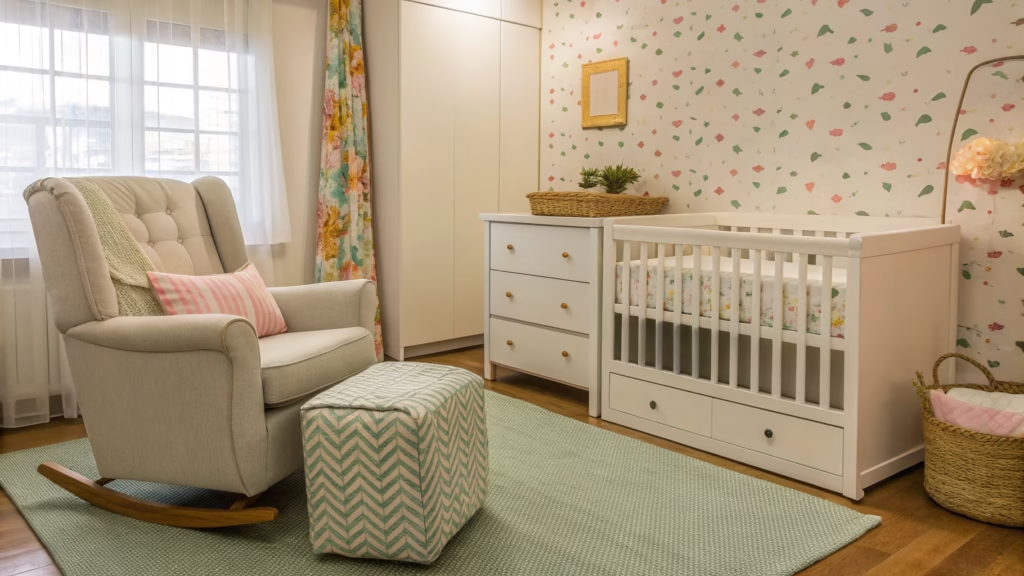
15+ Multifunctional Nursery Ideas for Growing Families
A multifunctional nursery is designed to grow with your family.
Instead of creating a room that works only for the newborn stage, smart planning allows the space to adapt for toddlers, siblings, changing routines, and new storage needs. The focus is on flexible furniture, layered zones, and long term usefulness.
Here are multifunctional nursery ideas that help the room stay practical, organized, and beautiful as your needs change.
1. Choose a Convertible Crib System

One purchase, multiple stages.


Love Knots & Nooks?
Add Knots & Nooks as a preferred source on Google and discover more beautiful home decor ideas, creative crafts, easy DIY projects, and everyday inspiration whenever you search.
• Use a crib that converts to toddler bed
• Check conversion kit availability early
• Match finish with future furniture
2. Use a Dresser as a Changing Station

Dual purpose furniture saves space.
• Add a removable changing topper
• Use drawers for baby supplies
• Continue using dresser later
3. Add a Bed or Sofa Bed for Caregivers

Support real night routines.


• Use a compact daybed or sofa bed
• Helps during sleep regressions
• Works later as reading seat
4. Install Adjustable Closet Rods

Storage should grow with clothing size.
• Use double rod systems
• Raise rods as child grows
• Keep lower rod for toddler access later
5. Create Zones Instead of One Theme Area

Zoning improves flexibility.


• Separate sleep, play, and care zones
• Rearrange zones as needs shift
• Use rugs to define areas
6. Use Modular Cube Storage

Reconfigure as toy types change.
• Choose stackable cube units
• Mix bins and open cubes
• Expand horizontally later
7. Add a Fold Down Wall Table

Hidden surface when needed.


• Use fold down desk or table
• Works for changing or crafts later
• Saves floor space
8. Choose a Glider That Fits Other Rooms Later

Think beyond the nursery.
• Pick a chair that suits living spaces
• Neutral fabric works best
• Avoid overly themed designs
9. Use Rolling Storage Carts

Mobility equals flexibility.


• Store feeding or care supplies
• Roll between rooms if needed
• Reassign use later
10. Plan Shared Room Possibility Early

Future proof the layout.
• Leave space for second bed
• Keep one wall more open
• Use movable furniture
11. Install Wall Shelves Instead of Floor Units

Free floor area for future change.


• Mount shelves securely
• Adjust shelf use over time
• Keep lower walls flexible
12. Use Neutral Core Furniture

Style can change with textiles.
• Choose neutral crib and dresser
• Update with bedding and art later
• Avoid theme locked pieces
13. Add a Toy Rotation Closet Section

Control clutter as volume grows.


• Dedicate a bin zone for rotation
• Store extra toys out of sight
• Swap monthly
14. Choose Extendable Lighting Solutions

Lighting needs will shift.
• Use adjustable wall lamps
• Add dimmable bulbs
• Move fixtures as layout changes
15. Use a Large Rug to Anchor Flexible Layouts

One anchor allows furniture shifts.
• Choose oversized neutral rug
• Keep furniture partially on rug
• Maintains cohesion after rearranging
16. Add Multi Use Wall Hooks and Rails

Hooks adapt to changing needs.
• Start with diaper bags and wraps
• Later use for backpacks and hats
• Keep spacing consistent
Final Thoughts
A multifunctional nursery is built on flexibility, not trends. Choose convertible furniture, modular storage, and neutral foundations. When the room can shift with your family’s routines and growth, you save money, effort, and redesign stress over time.
FAQs
What makes a nursery multifunctional
Convertible furniture and flexible zones.
Should nursery furniture match perfectly
Better to match in tone, not strict sets.
Is modular storage worth it
Yes, it adapts as needs change.
How do I future proof a nursery layout
Leave open wall and floor space.
Can a nursery double as a guest room
Yes, with a daybed or sofa bed setup.

- 13+ Amazing Spring Craft Ideas You Can Do with Friends - February 23, 2026
- 18+ Colorful Spring Crafts That Feel Happy and Fresh - February 23, 2026
- 14+ Spring Craft Ideas for Small Spaces - February 23, 2026


