
16+ Japandi Texture Decor Ideas for Peaceful Homes
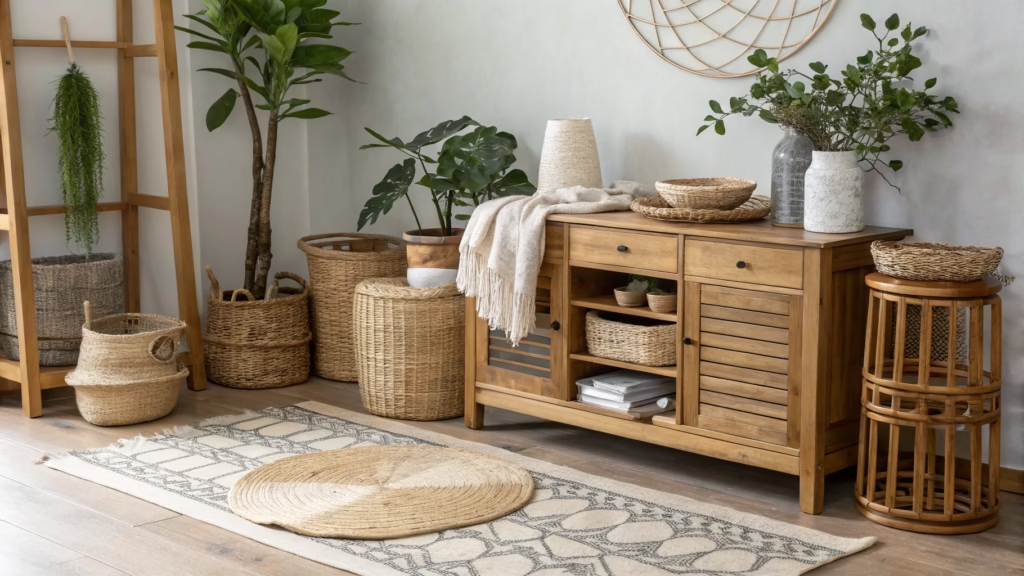
Japandi texture decor focuses on subtle contrast and natural materials to create calm, grounded interiors. Instead of bold patterns or heavy ornamentation, texture is used quietly to add depth, warmth, and balance. The result is a home that feels peaceful, intentional, and easy to live in.
Here are Japandi texture decor ideas designed for serene, modern homes.
1. Layer Linen Textiles in Living Spaces

Linen adds softness without visual weight.


Use:
Love Knots & Nooks?
Add Knots & Nooks as a preferred source on Google and discover more beautiful home decor ideas, creative crafts, easy DIY projects, and everyday inspiration whenever you search.
- Linen sofa covers
- Lightweight linen throws
2. Add Woven Rugs to Define Seating Areas

Natural fibers ground the room gently.
Choose:
- Jute rugs
- Wool flatweave rugs
3. Use Matte Ceramic Accents on Surfaces

Matte finishes keep the look calm.


Place:
- Ceramic vases
- Hand-thrown bowls
4. Introduce Light Wood Furniture and Decor

Wood brings warmth and structure.
Use:
- Oak stools
- Ash side tables
5. Soften Walls With Limewash or Plaster

Subtle wall texture enhances serenity.


Choose:
- Limewash finishes
- Soft plaster walls
6. Layer Cotton and Wool in Bedrooms

Natural textiles support restfulness.
Use:
- Cotton bedding
- Wool blankets
7. Add Paper or Fabric Lighting Shades

Soft lighting enhances texture.


Choose:
- Paper lanterns
- Fabric pendant shades
8. Incorporate Stone Accents Sparingly

Stone adds weight without heaviness.
Add:
- Stone trays
- Small sculptural pieces
9. Choose Upholstery With Tactile Weaves

Texture replaces pattern.


Stick to:
- Bouclé
- Soft woven fabrics
10. Use Natural Fiber Baskets for Storage

Baskets add texture and function.
Use:
- Storage baskets
- Planters
11. Mix Smooth and Rough Surfaces Thoughtfully

Contrast creates quiet interest.
Combine:
- Smooth ceramics
- Raw wood
12. Add Subtle Texture Through Window Treatments

Curtains soften light and space.
Choose:
- Linen curtains
- Gauze sheers
13. Keep Decorative Objects Handmade

Handcrafted items add warmth.
Use:
- Hand-thrown pottery
- Woven accents
14. Use Textured Neutral Wall Art

Art should feel organic.
Choose:
- Textile wall hangings
- Minimal relief art
15. Limit Texture to a Few Materials Per Room

Restraint keeps the space calm.
Focus on:
- Two or three textures
- Natural materials
16. Balance Texture With Negative Space

Empty space allows texture to breathe.
Allow:
- Clear surfaces
- Unstyled areas
Final Thoughts
Japandi texture decor works best when natural materials and restraint guide the design. By layering textures thoughtfully and leaving space to breathe, you create a home that feels calm, grounded, and quietly expressive.
FAQs
Why is texture important in Japandi interiors?
Texture adds depth and warmth without relying on color or pattern.
What textures feel most Japandi?
Linen, wood, ceramic, stone, and wool are key materials.
Can Japandi homes feel cozy without heavy decor?
Yes, soft textures and natural materials create comfort naturally.
Should textures be heavily mixed in Japandi design?
No, limiting textures keeps the space intentional and serene.
What is the easiest way to add Japandi texture?
Introduce linen textiles or one handmade ceramic piece.
Do Japandi interiors avoid patterns?
Mostly yes, texture is preferred over bold pattern.

- 13+ Amazing Spring Craft Ideas You Can Do with Friends - February 23, 2026
- 18+ Colorful Spring Crafts That Feel Happy and Fresh - February 23, 2026
- 14+ Spring Craft Ideas for Small Spaces - February 23, 2026


