
17+ Japandi Rug Styling Ideas for Warm Minimal Interiors
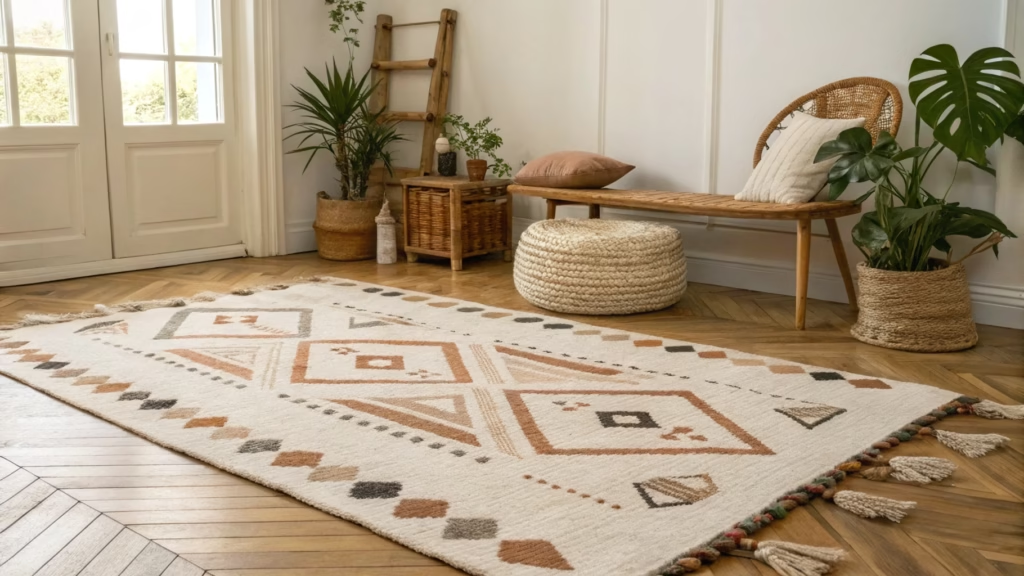
Japandi rug styling is about grounding a space without adding visual noise. Rugs bring warmth, softness, and quiet structure to minimal interiors, helping rooms feel calm and lived-in rather than stark. The right rug does not demand attention. It supports the room, balances natural materials, and gently defines zones.
Here are Japandi rug styling ideas that create warm, minimal interiors with ease.
1. Use Neutral Rugs With Soft, Earthy Undertones

Choose colors that feel natural and muted.


Work best with:
Love Knots & Nooks?
Add Knots & Nooks as a preferred source on Google and discover more beautiful home decor ideas, creative crafts, easy DIY projects, and everyday inspiration whenever you search.
- Warm beige
- Soft taupe
- Light sand
2. Place Rugs Slightly Under Furniture to Anchor the Room

Use rugs to connect pieces visually.
Try placing:
- Front sofa legs on the rug
- Chairs partially on the rug
3. Choose Flatweave Rugs for a Clean Look

Flatweaves keep the space visually light.


Ideal for:
- Living rooms
- Dining areas
4. Use Subtle Texture Instead of Bold Patterns

Texture adds interest without disrupting calm.
Look for:
- Low pile variation
- Handwoven finishes
5. Select Natural Fiber Rugs for Organic Warmth

Natural materials suit Japandi interiors best.


Good options:
- Wool
- Jute blends
- Cotton
6. Keep Rug Edges Simple and Unfinished

Simple edges feel more relaxed.
Prefer:
- Straight edges
- Minimal fringe
7. Use Large Rugs to Reduce Visual Breaks

Fewer breaks create a calmer flow.


Best approach:
- One large rug over multiple small ones
8. Let the Rug Color Echo Other Natural Elements

Repetition creates harmony.
Match with:
- Wood tones
- Linen fabrics
- Ceramic finishes
9. Place Rugs to Define Quiet Zones

Rugs help create intentional spaces.


Use rugs to define:
- Seating areas
- Reading corners
10. Avoid High-Contrast Rugs in Minimal Rooms

Strong contrast feels distracting.
Skip:
- Black-heavy designs
- Sharp geometric patterns
11. Use Light Rugs to Brighten Low-Light Rooms

Light tones lift darker spaces gently.
Choose:
- Cream
- Pale beige
12. Layer Rugs Only When Textures Are Very Subtle

Layering should feel intentional, not busy.
If layering:
- Keep both rugs neutral
- Vary texture, not color
13. Keep Rug Patterns Soft and Faded

Patterns should feel worn and quiet.
Look for:
- Washed motifs
- Low-contrast designs
14. Align Rug Shape With Furniture Layout

Shape affects visual calm.
Use:
- Rectangular rugs for seating groups
- Runners for narrow spaces
15. Leave Some Floor Visible Around the Rug

Visible flooring adds breathing room.
Aim for:
- Clear borders
- Balanced spacing
16. Choose Rugs With a Matte Finish

Matte surfaces feel grounded and calm.
Avoid:
- Shiny fibers
- Glossy finishes
17. Refresh Rugs Seasonally Without Changing Style

Small changes keep the space feeling fresh.
Rotate:
- Rug placement
- Room usage
Final Thoughts
Japandi rug styling works when rugs feel supportive rather than decorative. By choosing natural materials, soft tones, and thoughtful placement, rugs bring warmth and balance to minimal interiors. When the rug blends quietly into the space, the room feels calmer, more grounded, and easier to live in.
FAQs
What rug colors work best for Japandi interiors?
Warm neutrals like beige, taupe, sand, and soft grey.
Are patterned rugs suitable for Japandi style?
Yes, when patterns are subtle, faded, and low contrast.
Should Japandi rugs be thick or flat?
Flatweave or low-pile rugs suit Japandi interiors best.
Can rugs help make minimal rooms feel warmer?
Absolutely. Rugs add softness and comfort without clutter.
Is rug layering common in Japandi spaces?
Only when kept very minimal and texture-focused.

- 13+ Amazing Spring Craft Ideas You Can Do with Friends - February 23, 2026
- 18+ Colorful Spring Crafts That Feel Happy and Fresh - February 23, 2026
- 14+ Spring Craft Ideas for Small Spaces - February 23, 2026


